Chronic Obstructive Pulmonary Disease (COPD): A Beginner’s Medical Guide to Symptoms, Causes, and Treatment
Learn about chronic obstructive pulmonary disease (COPD), including COPD definition, symptoms, causes, treatment, and acute exacerbation of COPD. This beginner’s guide explains the impact of COPD on health and the difference between COPD and asthma, helping patients understand and manage this chronic lung disease.
Dr. Angshuman Mukherjee
3/7/20264 min read
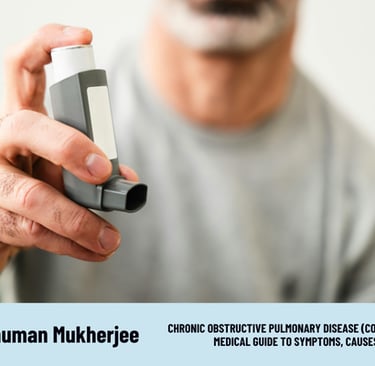
Chronic Obstructive Pulmonary Disease (COPD): A Beginner’s Medical Guide to Symptoms, Causes, and Treatment
Chronic respiratory diseases affect millions of people worldwide, and one of the most common among them is chronic obstructive pulmonary disease (COPD). This condition significantly affects lung function and quality of life. However, with proper awareness, early diagnosis, and appropriate treatment, many patients can manage the disease effectively.
In this beginner’s guide, we will explore the chronic obstructive pulmonary disease COPD definition, its causes, symptoms, treatment options, and the overall chronic obstructive pulmonary disease impact on health and daily living.
1. What is Chronic Obstructive Pulmonary Disease (COPD)?
To begin with, it is important to understand the chronic obstructive pulmonary disease COPD definition. COPD is a long-term inflammatory lung disease that causes persistent airflow obstruction. As a result, breathing becomes difficult because air cannot flow freely in and out of the lungs.
The disease usually develops gradually over many years and commonly includes two main conditions: chronic bronchitis and emphysema. In chronic bronchitis, the airways become inflamed and produce excess mucus. Meanwhile, emphysema damages the air sacs in the lungs, reducing their ability to exchange oxygen.
COPD is a progressive disease, meaning symptoms often worsen over time if not properly managed. Furthermore, COPD is closely related to environmental and lifestyle factors, especially smoking.
It is also important to distinguish chronic obstructive pulmonary disease COPD and asthma. While both conditions involve airway obstruction and breathing difficulties, asthma typically causes reversible airway narrowing, whereas COPD causes permanent damage to lung tissues.
Therefore, accurate diagnosis by a healthcare professional is essential to determine the appropriate treatment approach.
2. Chronic Obstructive Pulmonary Disease (COPD) Causes
Understanding chronic obstructive pulmonary disease COPD causes helps individuals reduce risk and prevent disease progression.
Smoking
The leading cause of COPD worldwide is cigarette smoking. Long-term exposure to tobacco smoke damages the airways and lung tissue, resulting in chronic inflammation and airflow limitation.
Air Pollution
Exposure to environmental pollutants such as industrial fumes, chemical vapors, and indoor air pollution can also contribute to COPD development.
Occupational Exposure
People who work in industries involving dust, chemicals, or toxic gases may develop COPD after prolonged exposure to these irritants.
Genetic Factors
Although less common, certain genetic disorders can increase the risk of COPD. One such condition is alpha-1 antitrypsin deficiency, which affects lung protection mechanisms.
Recurrent Respiratory Infections
Frequent respiratory infections during childhood may weaken lung development and increase susceptibility to COPD later in life.
Therefore, understanding these chronic obstructive pulmonary disease COPD causes plays an essential role in prevention and early intervention.
3. Symptoms of Chronic Obstructive Pulmonary Disease (COPD)
Recognizing chronic obstructive pulmonary disease COPD symptoms is crucial for early diagnosis and effective management. Symptoms often develop gradually and worsen over time.
Persistent Cough
A chronic cough is one of the earliest symptoms. Patients may experience a cough that produces mucus regularly.
Shortness of Breath
Many individuals with COPD experience breathlessness, especially during physical activity. As the disease progresses, breathing difficulty may occur even during rest.
Wheezing
Narrowed airways often produce a whistling or wheezing sound during breathing.
Chest Tightness
Patients frequently report a sensation of tightness or pressure in the chest.
Frequent Respiratory Infections
Individuals with COPD may develop frequent respiratory infections due to weakened lung defenses.
Fatigue
Reduced oxygen levels in the body can cause persistent fatigue and reduced physical endurance.
Another serious complication is acute exacerbation of chronic obstructive pulmonary disease, which refers to sudden worsening of symptoms such as severe breathlessness, increased coughing, and excessive mucus production. These exacerbations often require immediate medical attention.
4. Chronic Obstructive Pulmonary Disease (COPD) Treatment Options
Although COPD cannot be completely cured, appropriate chronic obstructive pulmonary disease COPD treatment can significantly improve symptoms and slow disease progression.
Smoking Cessation
The most important step in COPD management is quitting smoking. Stopping smoking prevents further lung damage and improves treatment outcomes.
Medications
Doctors commonly prescribe medications to relieve symptoms and improve breathing. These may include:
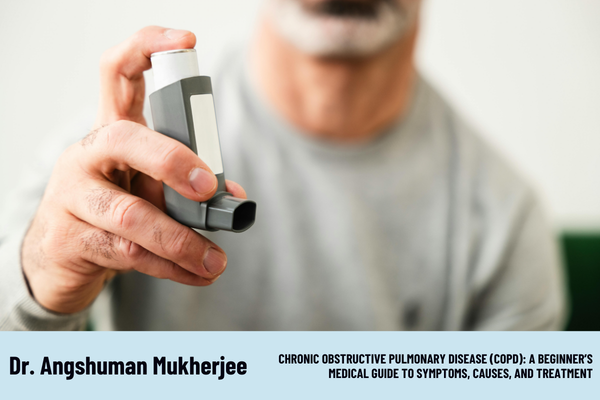
Bronchodilators to relax airway muscles
Corticosteroids to reduce inflammation
Combination inhalers for long-term symptom control
Pulmonary Rehabilitation
Pulmonary rehabilitation programs combine exercise training, breathing techniques, and nutritional counseling to improve lung function and overall physical fitness.
Oxygen Therapy
In advanced cases, patients may require supplemental oxygen to maintain adequate oxygen levels in the blood.
Vaccination and Infection Prevention
Vaccines for influenza and pneumonia help prevent respiratory infections that could trigger an acute exacerbation of chronic obstructive pulmonary disease.
With proper treatment and lifestyle modifications, many patients successfully manage their condition and maintain active lives.
5. Chronic Obstructive Pulmonary Disease Impact on Health and Quality of Life
The chronic obstructive pulmonary disease impact extends beyond physical symptoms. It can significantly affect daily activities, mental health, and overall well-being.
Physical Limitations
Breathlessness often limits physical activity, making routine tasks such as walking, climbing stairs, or household chores challenging.
Emotional and Psychological Effects
Living with a chronic disease can lead to anxiety, depression, or social isolation.
Healthcare Burden
Frequent hospital visits and treatment requirements may create financial and emotional stress for patients and their families.
However, early diagnosis, proper treatment, and supportive care can greatly reduce the negative impact of COPD.
Conclusion
Chronic obstructive pulmonary disease (COPD) is a serious but manageable respiratory condition. By understanding the chronic obstructive pulmonary disease COPD definition, recognizing chronic obstructive pulmonary disease COPD symptoms, and identifying chronic obstructive pulmonary disease COPD causes, individuals can seek early medical intervention.
Although COPD is a progressive disease, effective chronic obstructive pulmonary disease COPD treatment strategies—such as smoking cessation, medication, pulmonary rehabilitation, and lifestyle modifications—can improve quality of life and reduce complications.
Furthermore, awareness of the chronic obstructive pulmonary disease impact helps patients and caregivers adopt healthier habits and seek timely medical care.
Ultimately, education, prevention, and early treatment remain the most effective tools in managing COPD and improving long-term respiratory health.